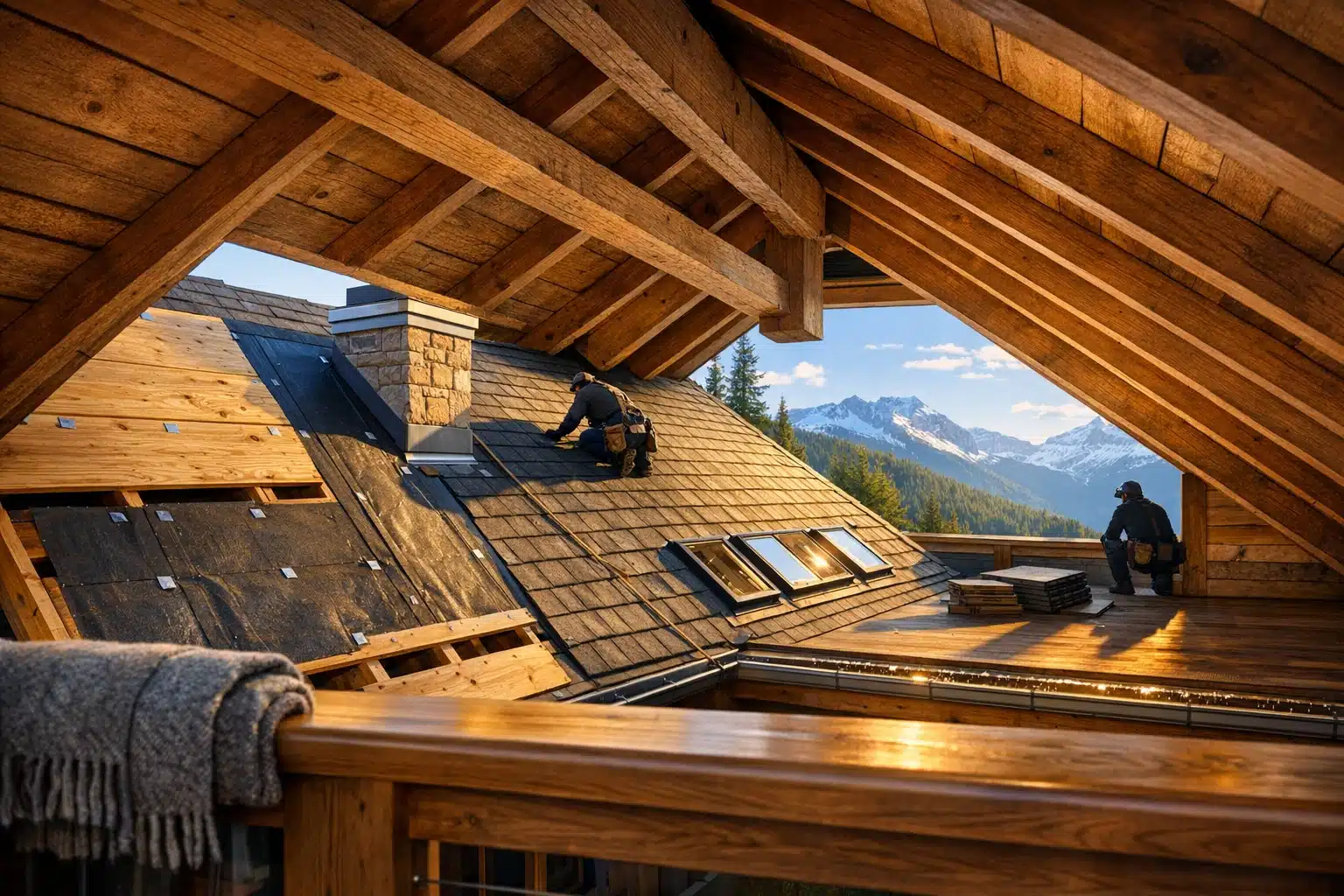
Roof Repair
Outline:
– Introduction: Why timely roof repair matters and what this guide covers.
– Section 1: Diagnosing leaks and tracing moisture with practical methods.
– Section 2: Repair techniques by roof type, with pros, cons, and typical materials.
– Section 3: Flashing, valleys, and penetrations—details that make or break repairs.
– Section 4: Underlayments, weatherproofing, ventilation, and ice-dam control.
– Section 5: Planning, costs, safety, DIY vs. hiring, permits, and timing.
– Conclusion: Prioritized next steps for homeowners and property managers.
Introduction
A sound roof is a quiet guardian, keeping weather outside and comfort in. When a leak appears, every hour of delay can turn a simple patch into sheathing damage, mold, or ruined finishes. This guide walks you through inspection, repair techniques for common roof types, and the small details—like flashing and ventilation—that determine whether a fix lasts a season or a decade. It balances hands-on tips with safety, budgeting, and decision points, so you can act with clarity rather than guesswork.
Section 1: Diagnose First—Finding the Real Source of a Roof Leak
Water is a patient traveler. It can enter at a chimney, ride a rafter, and finally show up as a ceiling stain ten feet away. Effective roof repair starts with methodical diagnosis, inside and out. Begin indoors on a dry day: trace stains to their highest point, inspect the attic for wet insulation, rusted fasteners, or darkened sheathing, and use a flashlight to pick up subtle sheens. A moisture meter can help distinguish old staining from active leaks. In cold climates, watch for frost on nail tips—often a sign of condensation from poor ventilation rather than an exterior leak.
Outside, slow down. Look for shingle tabs lifted by wind, cracked sealant around vents, punctures from branches, and missing ridge caps. Pay attention to the roof’s geometry: valleys, sidewalls, headwalls, and penetrations concentrate water flow and are frequent failure points. On flat roofs, note ponding that lasts more than 48 hours after rain, alligatoring of asphalt surfaces, and seams that have lost adhesion. Metal roofs reveal themselves with back-out fasteners, degraded gaskets, and corrosion at dissimilar metal contacts.
Practical steps that improve accuracy:
– Start low and move upslope, since water tends to originate above the first visible sign.
– Inspect on overcast days when glare is reduced and surface defects are easier to spot.
– Use chalk to mark suspect areas so you can recheck during controlled hose testing.
– If safe, perform a gentle water test from the lowest suspect area upward, pausing every few minutes to check indoors.
Common misdiagnoses include blaming shingles when flashing failed, treating condensation as a roof leak, or sealing surface cracks while ignoring a split underlayment. Clear diagnosis guides the repair path and helps you avoid chasing symptoms instead of causes. Document findings with photos; they become a roadmap for materials, time estimates, and, if needed, a conversation with a roofing contractor.
Section 2: Repair Techniques by Roof Type—Shingle, Metal, Tile, and Low-Slope
Repair methods must match the roof system. Asphalt shingles are forgiving: small areas of damage can often be addressed by replacing a handful of tabs and resealing edges. Slide a flat bar to release seal strips carefully; remove nails from the damaged shingle and the one above, then insert a new shingle and re-nail in the manufacturer’s nailing zone. Seal the exposed tab edges with a compatible roofing sealant, pressing tabs flat. For granular loss or minor blisters, surface patching is temporary; plan for shingle replacement in aging fields (commonly 20–30 years of service, less with intense sun or frequent hail).
Metal roofs demand attention to movement. Thermal expansion and contraction can loosen fasteners and stress seams. Replace backed-out screws with proper-length fasteners and fresh washers, and add butyl tape beneath laps where sealant has failed. Avoid mixing metals that can trigger galvanic corrosion; match patch panels and fasteners to the existing alloy. For standing seams, seam clamps and manufacturer-compatible accessories preserve the system’s ability to move while restoring water tightness. Surface-applied coatings can extend service life on some profiles, but preparation—cleaning, rust treatment, and primer selection—is critical.
Tile (concrete or clay) repairs revolve around delicate handling. Cracked tiles should be swapped, not smothered in sealant. Lift adjacent tiles with care and replace damaged units, checking the underlayment beneath. Many tile leaks are really underlayment failures near flashings or valleys; in these cases, a sectional underlayment replacement, paired with properly laced metal in valleys, provides a durable fix. Walk only on the lower third of tiles or use foam pads to distribute weight and prevent breakage.
Low-slope systems vary: modified bitumen, single-ply membranes (EPDM, TPO, PVC), and built-up roofs each have distinct protocols. For modified bitumen, clean and prime the area, then apply a torch-welded or cold-applied patch with correct lap widths. EPDM repairs typically use primer and pressure-sensitive patches; cleanliness and seam rolling are the difference between a six-month patch and a multi-year repair. TPO and PVC generally require heat-welded patches with matching membrane. In all cases, patches should extend well beyond the defect (often 3–6 inches past the damage) and follow manufacturer instructions for edge finishing.
Quick comparison cues:
– Asphalt shingle: localized replacement is practical and cost-effective.
– Metal: address movement and corrosion; prioritize compatible materials.
– Tile: protect underlayment and handle units gently; avoid surface-only fixes.
– Low-slope membranes: prep and patch technique are paramount; match chemistry precisely.
Choosing the right method means fewer call-backs, fewer surprises, and a repair that respects how the system was designed to shed or resist water.
Section 3: Flashing, Valleys, and Penetrations—Small Details, Big Consequences
Flashing is the unsung hero of roof longevity. Most leak investigations end at a detail—step flashing at a sidewall, a chimney counterflashing that lost its reglet hold, or a pipe boot split by UV. Because these intersections concentrate water, repairs must be deliberate. Step flashing should be interwoven with each shingle course, not face-nailed and smeared with sealant. At headwalls, a continuous apron flashing directs water onto the roof surface; counterflashing that’s set into masonry joints, not merely surface-glued, resists both water and wind.
Common flashing targets:
– Sidewalls: step flashing sized to the exposure of your roofing material.
– Headwalls: apron flashing with an even hem and proper overlap.
– Chimneys: base flashing plus counterflashing cut into mortar joints.
– Skylights: factory kits when available; curb height matters on low slopes.
– Pipe penetrations: UV-stable boots matched to pipe diameter, with a bead of sealant upslope.
Metal choice matters. Aluminum is easy to form but can corrode near alkaline masonry without a barrier. Galvanized steel is robust but needs coating maintenance. Copper is durable and malleable, yet pricey and reactive with some metals. Match fasteners to the flashing to avoid galvanic couples, and tuck laps away from dominant wind directions where feasible. Where old sealants have failed, carve out to sound substrate; new beads adhere better to clean, dry surfaces. Sealant is a helper, not a substitute for correct laps, crimps, and shingle weaving.
Valleys deserve special respect because they collect water. Open metal valleys (with an exposed strip) shed debris well; closed-cut valleys are tidy but rely on shingle integrity. If you see rust tracks, pinholes, or ice-dam scouring, consider replacing valley metal or re-lacing shingles. Extend ice and water barrier beneath valleys in cold climates to counter freeze–thaw cycles. Keep fasteners at least six inches from the valley centerline to reduce leak risk.
Penetrations on low-slope roofs call for boots or pitch pans compatible with the membrane. On EPDM, use rubber pipe boots with tape flashing; on TPO/PVC, heat-weld preformed boots. Pitch pans filled with pourable sealer are a last resort and need routine checks. Done well, flashing work disappears into the roof, silently doing its job through storms and seasons.
Section 4: Weatherproofing Layers, Ventilation, and Ice-Dam Control
Shingles, metal, or membrane shed water, but the layers beneath decide whether an occasional lapse becomes a disaster. Underlayments act as a secondary shield. Felt has served for decades, yet modern synthetic underlayments offer higher tear strength and better walkability. In ice-prone regions, a self-adhered ice and water barrier along eaves, valleys, and around penetrations reduces leaks from ice dams that push water backward. Drip edge at eaves directs water into gutters, while rake edge metal protects gable ends from wind-driven rain.
Ventilation keeps the roof deck drier and the attic cooler, reducing condensation and extending shingle life. A commonly cited guideline is a net free vent area of about 1:300 of the attic floor area, split between intake (soffits) and exhaust (ridge or roof vents). If there’s no reliable vapor retarder or the roof faces heavy moisture loads, some codes move to 1:150. Balanced intake and exhaust are crucial; without intake, an exhaust vent can draw conditioned air from the house, increasing energy costs and pulling moisture into the attic. Baffles at eaves maintain airflow above insulation, and air-sealing the ceiling reduces warm, moist air entering the attic.
In snowy climates, insulation and air-sealing work hand in hand with ventilation to prevent ice dams. Heat loss melts snow, which refreezes at cold eaves, pushing water upslope. A continuous air barrier at the ceiling plane, sealed can lights, and sufficient insulation minimize melt, while extended eave protection catches the water that inevitably finds a path. On low-slope roofs, correct tapering and drains prevent ponding; tapered insulation systems can create positive slope without reframing.
Useful checkpoints:
– Underlayment: self-adhered membranes at eaves, valleys, and penetrations; synthetic underlayments for field durability.
– Edge metals: drip and rake edges installed beneath/over underlayment in correct sequence.
– Ventilation: target 1:300 net free area, maintaining clear soffits and continuous ridge paths.
– Attic health: air-seal before adding insulation to avoid trapping moisture.
These layers are quiet contributors. When they are sequenced and detailed correctly, small surface flaws rarely escalate, and your primary roofing lives closer to its expected lifespan.
Section 5: Planning, Costs, Safety, and When to Call a Professional
Good planning turns a leaky moment into a manageable project. Start with scope: is this a localized repair or a sign that the roof is nearing the end of its service life? Multiple leaks across planes, widespread granule loss, curling shingles, or brittle membranes often point toward larger work. Create a simple materials list—fasteners, replacement shingles or tiles, patches, primers, sealants, flashing components—and add 10–15% for waste and contingencies. Check weather forecasts; dry, mild days are kinder to adhesives and safer for footing.
Costs vary by region and roof type, but broad ranges help. Minor asphalt shingle repairs might fall in the low hundreds, while flashing rebuilds around chimneys can reach the mid-hundreds. Small membrane patches can be modest, but addressing ponding or replacing deteriorated valley metal can climb higher. Full replacements span widely, commonly quoted by the square (100 square feet). Even if you’re pursuing DIY, get at least one professional opinion for perspective on hidden risks like soft decking or inadequate ventilation; an inspection fee can be cheaper than a missed defect.
Safety is non-negotiable. Follow the 4:1 ladder rule, extend the ladder three feet above the eave, and maintain three points of contact. Wear soft-soled footwear with good grip, and avoid work during rain, snow, or winds that exceed comfortable limits. On steep slopes, fall protection and roof anchors provide a margin of safety; even on low-slope surfaces, fragile skylights and wet membranes are hazards. Keep tools on a tethered belt, and never work alone if there’s any risk of a fall.
Decision cues for calling a pro:
– Steep pitches or complex rooflines with multiple valleys.
– Structural concerns, such as spongy decking or sagging rafters.
– Widespread flashing failures or masonry reglet work at chimneys.
– Membrane welding for TPO/PVC without proper equipment.
– Insurance or warranty implications that require certified documentation.
After the repair, document everything: photos, materials used, dates, and weather conditions. Schedule a check after the next significant rain to confirm performance. With thoughtful planning and respect for safety, you can address small issues promptly and reserve professional help for tasks where specialized skills, tools, or risk levels make outside expertise the sensible choice.
Conclusion: Practical Next Steps for Homeowners and Property Managers
Start with diagnosis, not caulk. Map stains, inspect details, and verify the true source of moisture. Choose repair methods that fit your roof type, and give special attention to flashings, valleys, and the invisible allies beneath—underlayments and ventilation. Budget with a buffer, respect the weather, and treat safety as essential equipment. When the scope, slope, or complexity grows, bring in a qualified roofer; the right help at the right moment preserves both your roof and your peace of mind.