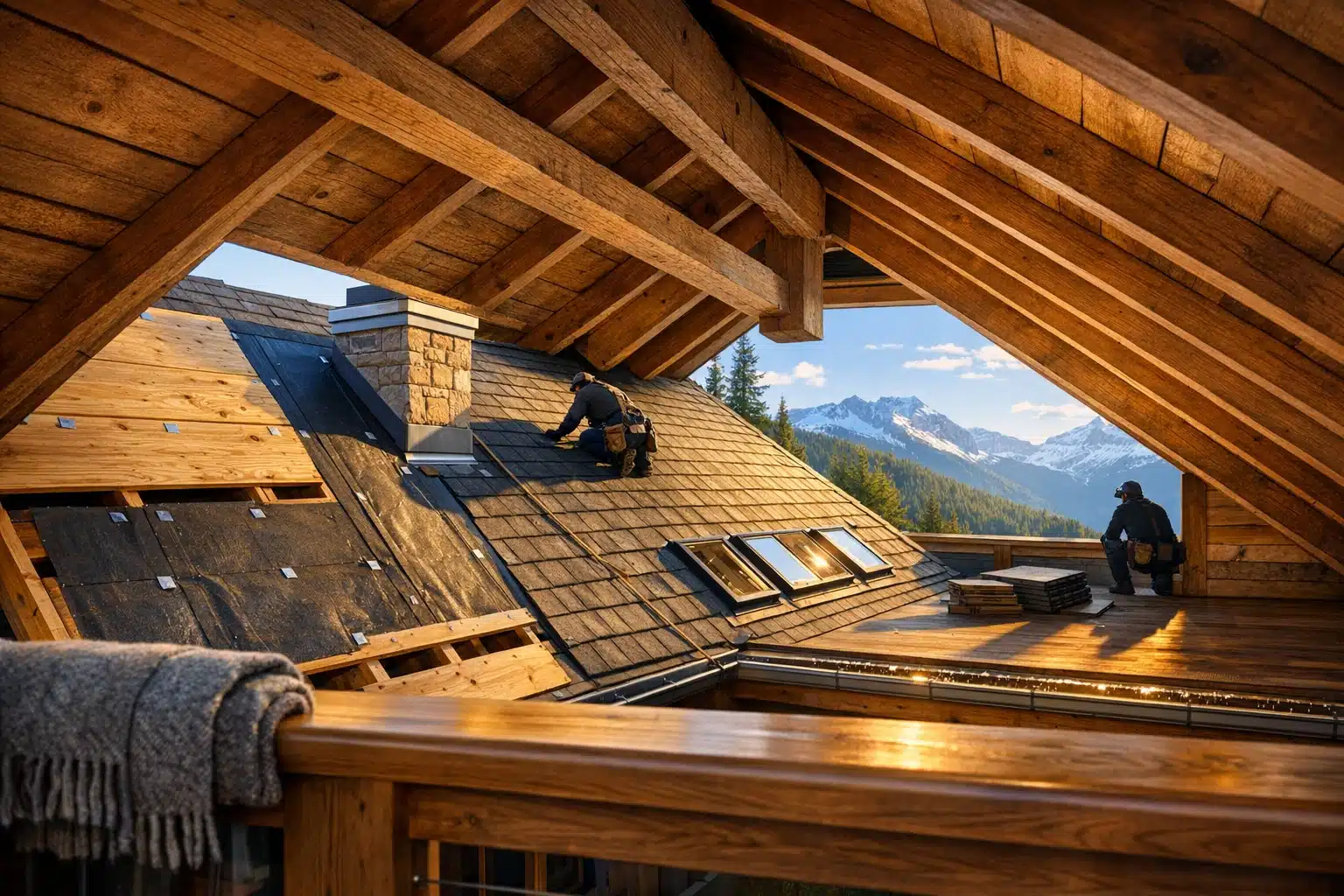
Roof Repair
Why Roof Repair Mistakes Matter: Introduction and Article Outline
Roof repair can look deceptively simple from the driveway, yet small missteps on the shingles often turn into soaked insulation, hidden mold, and bills that rise faster than a storm front. For homeowners, landlords, and hands-on DIY enthusiasts, knowing what not to do is just as important as knowing how to patch a leak. A careful repair protects structure, energy performance, and resale value, while a careless one may shorten the life of the entire roof.
When people think about roof damage, they often picture dramatic scenes: wind-torn shingles, fallen branches, or a ceiling stain that appears overnight like an unwanted watercolor. In practice, many repair problems are less theatrical and more expensive precisely because they stay quiet for too long. A tiny flashing gap near a vent, a few misplaced nails, or a patch applied over wet decking may not announce itself immediately. Weeks or months later, however, moisture can spread into insulation, wood framing, and interior finishes. At that stage, the repair is no longer only about shingles. It becomes a building-envelope problem.
This matters because a roof is not a decorative cap. It is a layered system designed to shed water, handle temperature swings, resist wind uplift, and work with ventilation. Treating one damaged spot without understanding the whole assembly is like repainting a wall without fixing the plumbing inside it. The surface may look better, but the cause remains active. Industry professionals often emphasize that leak locations inside a home do not always line up with the point where water first entered the roof. Water can travel along decking, underlayment, rafters, and fasteners before finally revealing itself indoors.
Article outline:
• Why roof repair errors create long-term damage instead of short-term inconvenience
• The danger of skipping a full inspection and repairing only the visible symptom
• Why material compatibility, climate, and roof design should guide every repair choice
• How poor timing, unsafe work habits, and weak water management make repairs fail
• Which hiring, budgeting, and quality-control mistakes homeowners should avoid before signing off on the job
The goal of this article is practical rather than dramatic. It is written for readers who want to make better decisions, whether they plan to hire a roofing contractor or handle limited repairs themselves. By understanding the most common mistakes in advance, you can ask sharper questions, compare bids more intelligently, and spot warning signs before a modest repair turns into a full replacement.
Mistake 1: Starting Repairs Without a Full Diagnosis
One of the most common roof repair mistakes is assuming that the visible damage is the entire problem. A missing shingle may catch your eye, but it may not be the only reason water entered the home. In many cases, the stain on a bedroom ceiling is merely the final stop on a much longer journey. Water is patient. It can move sideways along underlayment, run down framing members, and drip far from the original breach. That is why experienced roofers inspect the full area around a leak rather than treating the first obvious symptom as the complete diagnosis.
A hasty repair usually follows a simple pattern: the homeowner sees water indoors, climbs up, applies sealant to the nearest suspicious spot, and feels relieved when the drip stops for a few days. The problem is that roof cement or caulk is often used as a substitute for investigation. Sealants have a role, but they are not magic. If flashing is corroded, a vent boot is cracked, decking is soft, or fasteners have backed out across a larger section, a surface patch may only delay the next leak. In cold climates, freeze-thaw cycles can widen small gaps. In hot climates, UV exposure can harden and crack inferior repair compounds.
A more reliable process involves checking several areas, not just one:
• The attic for damp insulation, staining, mold-like growth, or daylight through the roof deck
• Flashing around chimneys, skylights, valleys, and roof-to-wall intersections
• Shingle condition, including curling, granule loss, lifted tabs, and nail placement
• Gutters and downspouts, because overflow and backup can mimic roof leaks
• Ventilation patterns, since trapped heat and moisture can shorten roof life from below
There is also a financial reason to diagnose thoroughly. A targeted repair performed on the correct section can preserve a roof for years, while repeated guesswork drains money in small, frustrating installments. Homeowners sometimes pay for several minor service visits before discovering that the true culprit was a failed flashing detail that should have been addressed first. The comparison is simple: diagnosis costs time upfront, but misdiagnosis multiplies cost afterward.
Photographs, moisture readings, and written notes can help as well. Even if you are hiring a contractor, documented conditions create a clearer scope of work and reduce misunderstandings. A strong repair begins with detective work, not optimism. In roofing, the fastest fix is often the one that takes a little longer to understand.
Mistake 2: Using the Wrong Materials or Mixing Roof Systems Carelessly
Another costly mistake is choosing repair materials based on convenience instead of compatibility. Roofs are assemblies, not random stacks of products. Shingles, underlayment, flashing, fasteners, sealants, ventilation components, and edge details all need to work together. When one part is replaced with something unsuitable, the repair may look acceptable at first glance yet fail under heat, wind, rain, or seasonal movement. It is the roofing version of putting the wrong tire on a car: round is not the same as correct.
Asphalt shingles offer a clear example. They come in different profiles, thicknesses, colors, and fastening requirements. Installing a mismatched shingle may not just affect appearance. It can alter wind resistance, water shedding, and the way tabs seal. On a metal roof, using incompatible fasteners or sealants can contribute to corrosion or poor expansion movement. On low-slope roofs, products designed for steep-slope repairs may perform badly because water drains more slowly and ponding becomes a greater concern. A repair that ignores roof pitch is often a repair that is already on borrowed time.
Climate should guide material choices too. In regions with intense sun, thermal movement and UV exposure place heavy demands on sealants and exposed components. In snowy areas, ice dams and repeated freezing may test the integrity of flashing, eaves, and underlayment. Coastal conditions introduce salt exposure and high winds. The best repair material in one setting may be mediocre in another. That is why professionals do not simply ask, “Will this stick?” They ask, “Will this perform here, on this roof, in this weather, over time?”
Common material-related errors include:
• Reusing damaged flashing instead of replacing it
• Installing shingles that do not match the existing product line or size
• Choosing low-grade sealants for areas exposed to constant movement or sunlight
• Using the wrong nail length, type, or placement pattern
• Overlooking underlayment damage beneath the visible roofing surface
It is also wise to think beyond the repair day. Some materials may technically solve the immediate problem yet complicate future maintenance. A patch that relies heavily on exposed mastic can age poorly and make later work messier. By contrast, a repair that restores the roof assembly in the same style as the original system tends to be easier to inspect, maintain, and warranty. Homeowners should ask contractors not only what product they plan to use, but why that product fits the roof’s age, design, and climate. The smartest material choice is rarely the most impulsive one.
Mistake 3: Ignoring Safety, Weather Windows, and the Way Water Actually Moves
Roof repair projects often go wrong because people focus on the damaged spot and forget the conditions surrounding the work. Safety, timing, and water management are not side issues; they are central to whether the repair will succeed at all. A roof is one of the most unforgiving surfaces on a home. Slopes reduce footing, loose granules can create slip hazards, and moisture changes traction quickly. Even a single-story house presents real risk. Professionals use safety procedures for good reason, and homeowners who underestimate that reality sometimes turn a maintenance task into a medical emergency.
Weather creates a second layer of trouble. Repairs done during active rain, on frost-covered surfaces, or just before a major storm often fail because materials need proper conditions to bond and seat correctly. Adhesives may not cure as intended. Wet decking can trap moisture below new materials. Wind can lift partially secured shingles before the repair is complete. There is a large difference between an emergency temporary cover and a finished repair. A tarp placed to reduce immediate water entry is a short-term protective measure; it is not the same as restoring the roof system. Confusing the two is a frequent and expensive error.
Then there is the issue of water pathways. Many failed repairs happen because the installer stops water at one point without respecting how gravity and overlap rules control drainage. Roofing materials are layered to direct water downward and outward. If flashing laps are reversed, if nails are driven where water concentrates, or if repairs interrupt the natural flow into valleys and gutters, the roof may hold moisture where it should shed it. Water is not imaginative, but it is relentless. It follows slope, edges, gaps, and weak transitions with remarkable discipline.
Key precautions and planning points include:
• Avoiding permanent repairs when surfaces are wet, unstable, or exposed to severe weather
• Confirming that replacement materials overlap correctly with adjacent roofing layers
• Protecting exposed decking if work extends beyond a single day
• Watching drainage paths near valleys, chimneys, skylights, and step flashing
• Treating gutter blockages and overflow as part of the roofing problem when they contribute to backup
The comparison here is stark. A rushed repair may satisfy urgency, but a well-timed repair respects sequence. One approach chases the leak with a tube of sealant. The other considers access, moisture conditions, drainage design, and worker safety before the first shingle is lifted. Roofs do not reward improvisation for long. They reward method, patience, and a clear understanding that every repair must cooperate with the way water and weather behave in the real world.
Mistake 4: Underestimating Hidden Damage, Ventilation Problems, and Structural Warning Signs
Many roof repair projects fail because attention stays fixed on the outer surface while hidden conditions continue to worsen beneath it. A roof can look repairable from above and still have underlying issues that limit the value of any patch. Soft decking, trapped moisture, inadequate attic ventilation, sagging framing, and long-term condensation problems can all compromise the effectiveness of a repair. If these conditions are ignored, new materials may be installed over a roof system that is already struggling from the inside out.
Ventilation is especially easy to overlook because it does not always create dramatic visual damage at first. Poor airflow in the attic can raise heat in summer and trap moisture in winter. That imbalance may accelerate shingle aging, contribute to warped decking, and increase the risk of mold or mildew in enclosed spaces. In colder regions, ventilation problems may also contribute to ice dam conditions, where heat escaping from the house melts roof snow unevenly. The water refreezes near colder edges, backing up under roofing materials. A homeowner may keep repairing the same leak point, unaware that attic conditions are helping create the problem year after year.
Structural warning signs deserve similar caution. A sagging roofline, spongy feel underfoot, persistent interior cracking near ceiling joints, or repeated leaks in the same section can indicate more than surface wear. These signs may suggest water-damaged wood, undersized framing, or deterioration around penetrations and valleys. In such cases, a cosmetic repair can hide symptoms without restoring capacity. That is not savings; it is delay with interest.
Useful indicators to investigate before approving a repair include:
• Decking that feels soft or delaminated
• Rusted fasteners, dark staining, or compressed insulation in the attic
• Blocked intake or exhaust vents that disrupt airflow
• Recurrent leaks at skylights, chimneys, and wall intersections
• Uneven roof planes, dips, or sagging that suggest structural movement
This is where honest assessment matters more than wishful budgeting. Homeowners naturally hope for a modest invoice instead of a major scope of work. Yet the least expensive answer on day one is not always the least expensive answer over five years. A repair on a sound roof can be sensible and cost-effective. A repair on a compromised roof may simply postpone replacement while interior damage grows. The right question is not, “Can this be patched?” but, “Will this repair solve the problem without leaving concealed defects in place?” That distinction separates durable maintenance from a temporary disguise.
Conclusion: Avoiding Contractor, Budget, and Final Quality-Control Mistakes
Even when the technical repair is appropriate, projects still go off course because of poor hiring decisions, vague scopes of work, and weak final review. This is the stage where many homeowners feel tired, eager to move on, and tempted to accept the first reassuring answer. Unfortunately, roofing problems do not respond well to fatigue. A contractor should be chosen with the same care used to choose the repair itself. That means checking licensing where required, insurance documentation, references, written estimates, warranty terms, and the exact materials proposed. A low bid can be attractive, but if it omits flashing replacement, underlayment repair, cleanup, or disposal, the comparison is not truly apples to apples.
Budget mistakes often begin with incomplete assumptions. Homeowners may plan for visible surface work only, then feel blindsided when decking replacement or ventilation improvements are recommended. A practical estimate should account for the possibility that hidden deterioration may be uncovered once roofing materials are removed. That does not mean accepting open-ended pricing. It means asking in advance how change orders will be documented, what unit costs apply to additional repairs, and who approves extra work before it proceeds. Clear communication prevents the kind of confusion that turns a manageable project into a tense one.
Final quality control is equally important. A roof repair should not be considered complete simply because the crew has left and the leak is not immediately visible. Homeowners should review the work carefully:
• Ask for before-and-after photos, especially for areas not visible from the ground
• Confirm that debris, nails, and discarded materials have been removed
• Check that flashing, shingles, vents, and sealant lines appear consistent and purposeful
• Request documentation of warranties and any recommended follow-up maintenance
• Monitor the repaired area during the next heavy rain and inspect the attic afterward if accessible
For the target audience of this article, the central lesson is straightforward. Roof repair is not only about covering a hole; it is about restoring a system that protects the entire home. The most expensive mistakes usually begin as small shortcuts: skipping diagnosis, trusting the wrong material, working in poor conditions, ignoring hidden damage, or accepting unclear workmanship. A thoughtful homeowner does not need to know every trade detail, but should know which questions force clarity. Ask what failed, why it failed, how the repair addresses the cause, and what evidence supports the recommendation. That habit alone can save money, reduce stress, and help the next storm sound like weather rather than a warning.